

The Aesthetic Breakdown: Folk Art Meets City Living
At the center of this ensemble is a stunning dialogue between graphic narrative art and casual drape. Let’s dissect what makes this silhouette work so effectively:
Key Styling Points
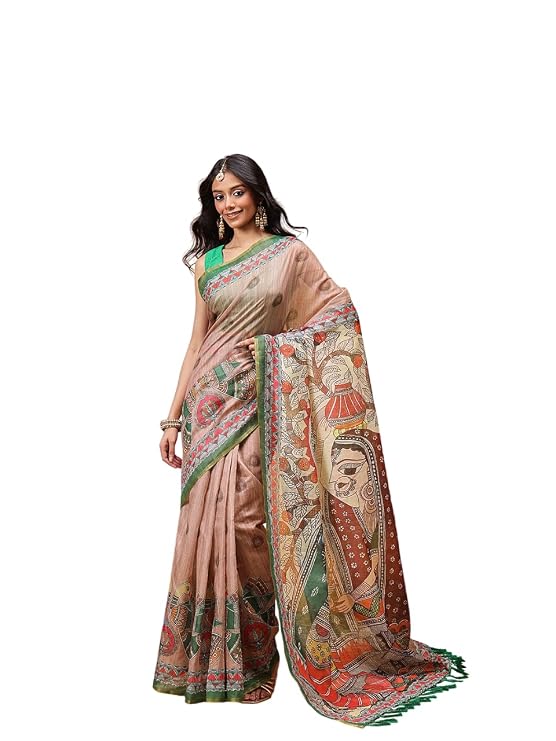
- The Narrative Pallu: Drawing immediate inspiration from temple murals and classical Kalamkari traditions, the pallu acts as an illustrated canvas. Rather than relying on repetitive geometric borders, the garment showcases figurative character illustrations rendered in terracotta, indigo accents, and ochre. It brings a narrative weight to the shoulder without feeling heavy.
- The Base Textile: The garment relies on the crisp, airy touch of a Chanderi blend. Real collectors know that pure silks can feel too rigid for intimate daytime gatherings. A cotton-silk or Chanderi blend offers that gossamer sheen while holding its pleats in clean, structured flutes down the front.
- The Color Palette: Instead of high-voltage neons or bridal crimson, this ensemble leans into vegetable-dye aesthetics. Warm mustard tones, dusty rose, sage, and a contrasting rich emerald border create a palette that feels grounded in nature.
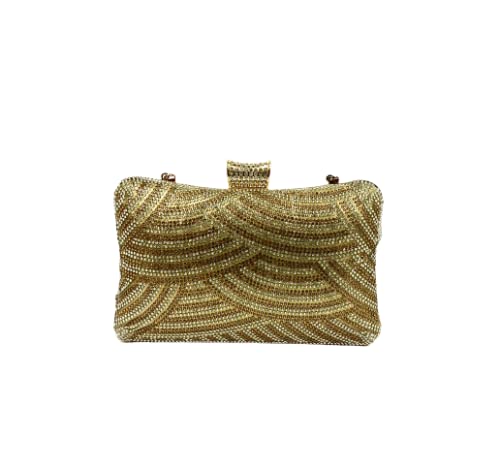
- The Clever Accents: Notice how the accessories don't fight for attention. The deep forest green structured clutch pulls directly from the slim border trim of the saree, while the strappy, multi-toned block heels balance contemporary footwear trends with artisanal hues.
"Modern ethnic wear doesn't need to scream with heavy zardozi to make a statement. The most compelling looks right now rely on narrative storytelling, matte textures, and drapes that move like second skin."
Trend Grounding: Why Folk Graphics Are Dominating 2025 & 2026
Fashion has hit a collective wall with clinical minimalism. The sterile neutrals that defined post-pandemic streetwear have finally loosened their grip, making room for rich, expressive cultural identity. Designers like Torani, Raw Mango, and Archana Jaju have spent recent seasons proving that textile art belongs in our daily lives, not just inside museum glass.
This saree aligns directly with three defining runway movements
1.The Ready-to-Wear Saree Boom
For Gen Z and millennial wearers across the global diaspora, traditional saree draping can feel intimidating. The rise of pre-pleated, ready-to-wear constructions has democratized ethnic dressing. Pieces like the Enthone printed Chanderi blend eliminate the anxiety of loose pleats while retaining the fluid, regal silhouette that makes the six yards so universally flattering.
2.Storybook Dressing & Figurative Prints
We are seeing an enormous resurgence in figurative prints—motifs depicting women, deities, flora, and fauna inspired by Madhubani and Kalamkari schools of art. These prints evoke vintage manuscripts. They tell stories. When digitally rendered onto lightweight cottons, they bridge historical artisan culture with the speed and accessibility of modern digital printing.
3.Modern Earth Tones Over High-Octane Glitz
Sequins are taking a back seat to raw, tactile weaves. Tones like dried mustard, turmeric, terracotta, and olive offer a sophisticated alternative to high-shine metallics. They fit seamlessly into sunlit apartments, cafe terraces, and contemporary spaces, proving that traditional attire doesn't need glitter to command a room.
Style Secrets: How to Wear a Graphic Cotton Saree
Pulling off a print this distinctive requires a few deliberate styling choices. Here is how fashion insiders make it look completely organic:
Key Styling Points
- Keep the Blouse Quiet: When your pallu features an intricate illustrated scene, your blouse should act as a supporting character. Consider tailoring the attached unstitched blouse piece into a clean, square-neck silhouette, or swap it for a sleeveless ribbed halter top in moss green or rich rust.
- Embrace Organic Hair: Skip the stiff, hairsprayed updos. Soft, loose waves that brush your shoulders—or an undone low bun fastened with a wooden hairpin—add a relaxed, bohemian spirit that matches the cotton weave.
- Play with Mixed Metals: Because this print combines warm ochre and cool sage tones, you can experiment with jewelry. Dull antique brass, brushed temple gold, or silver tribal earrings will work equally well. Just avoid high-shine rhodium or diamond chokers, which clash with the rustic vibe.
- Mind the Hemline: Notice where the saree hits in the frame: right at the ankle, showing just a flash of the foot. When tailoring a ready-to-wear version, have your tailor measure the length with your intended heels on so you never trip over your pleats.